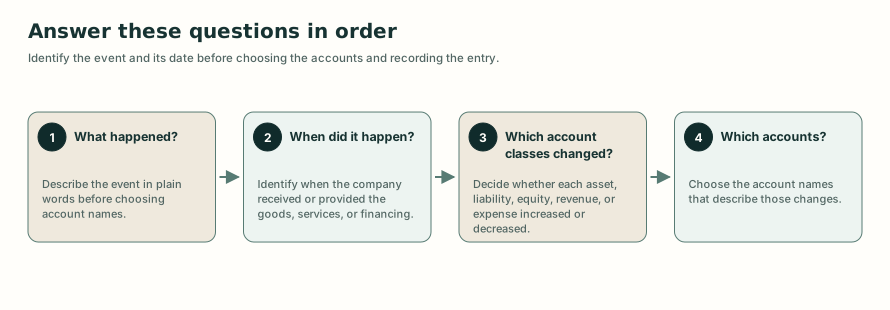
An accounting entry records the effect of an event on particular accounts. Before choosing a debit or credit, identify what happened and whether it changes an asset, liability, equity, revenue, or expense. Receiving cash, for example, may mean a customer paid for work, a lender advanced funds, or an owner invested. Those events require different entries.
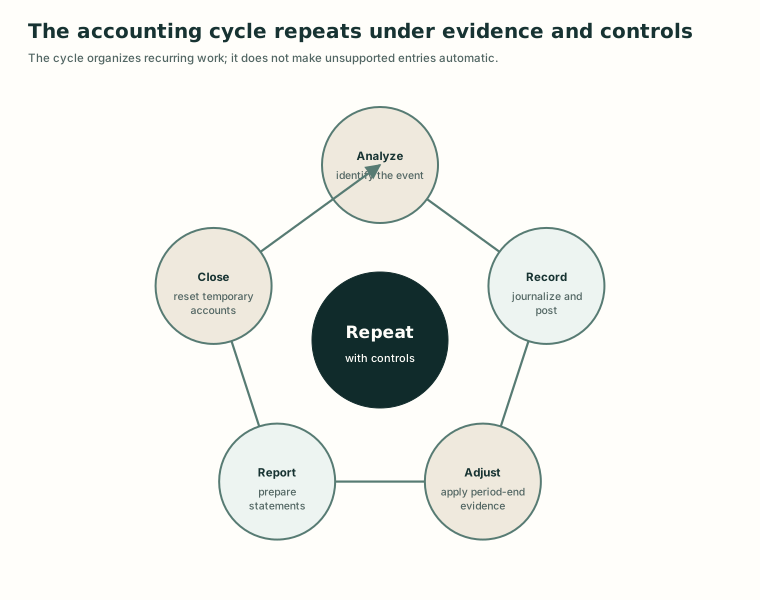
This module follows that work through the accounting cycle. You analyze events, prepare journal entries, post them to the ledger, and build a trial balance. You then make period-end adjustments and use the adjusted balances to prepare connected statements. Closing transfers the period's activity into equity and resets the temporary accounts for the next period.
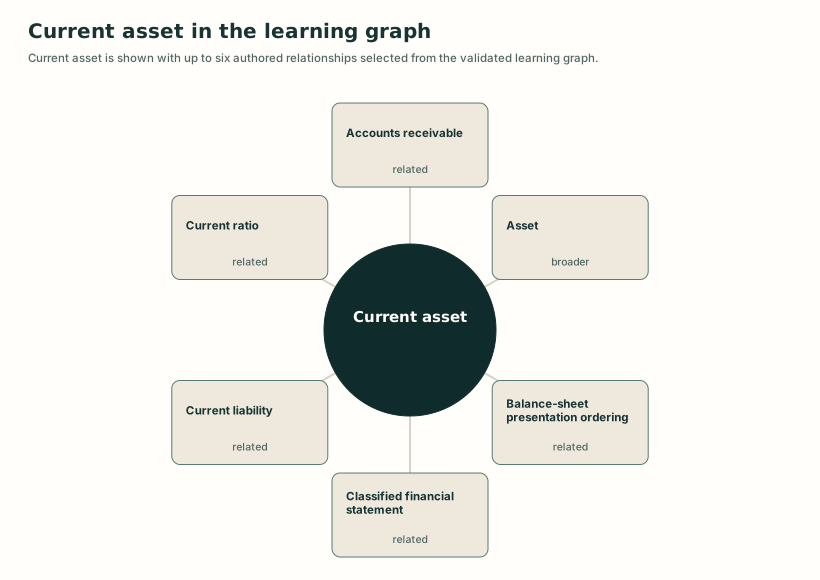
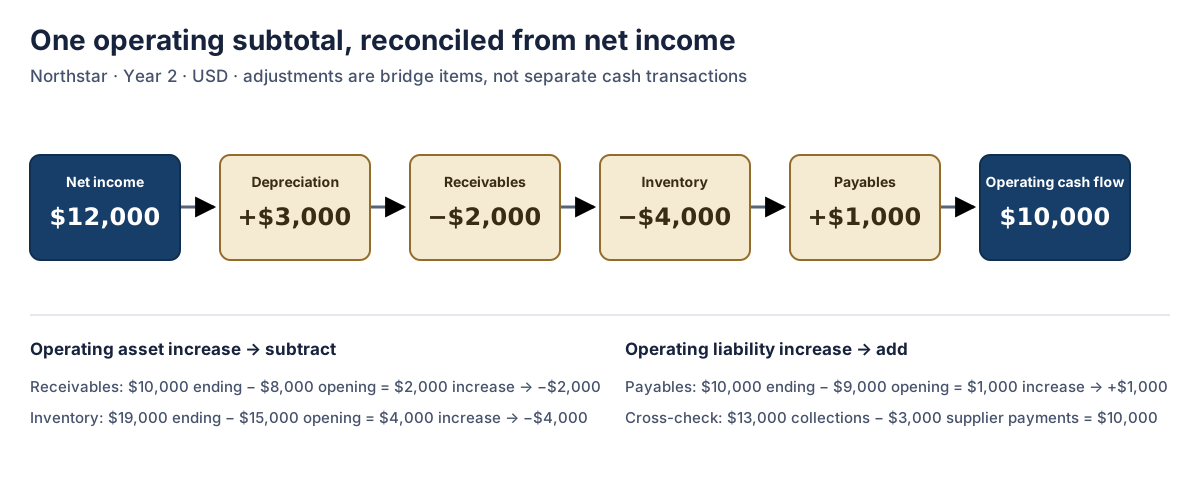
Lessons 00–12 support the Unit 1 accounting cycle. Lessons 13–18 go beyond Unit 1 into cash-flow preparation and liquidity analysis. They use statements to classify current amounts and reconcile operating cash flow under the indirect method. Lessons 19–21 are standalone review checkpoints for cycle errors, cash-to- accrual conversion, adjusted balances, and closing. Later modules handle changes in estimates, asset disposals, impairment, and more detailed financial-statement analysis.
Choose a lesson for the work you need
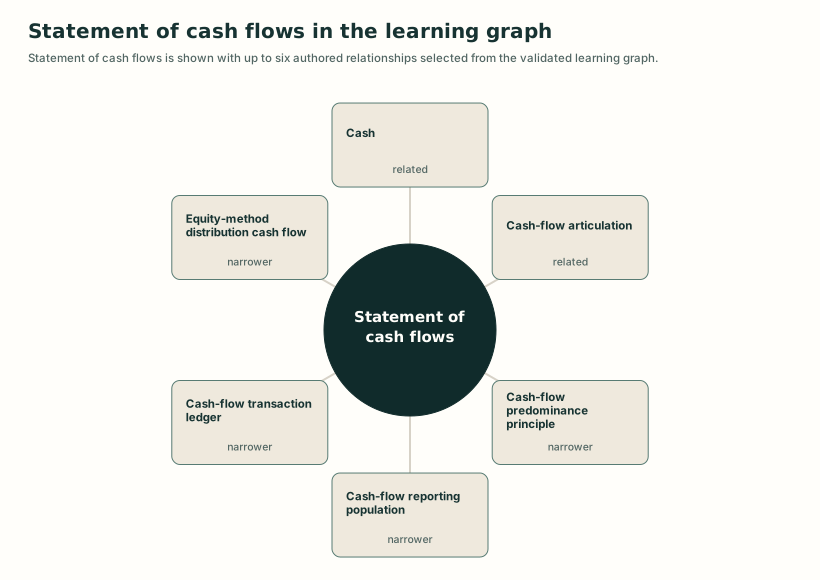
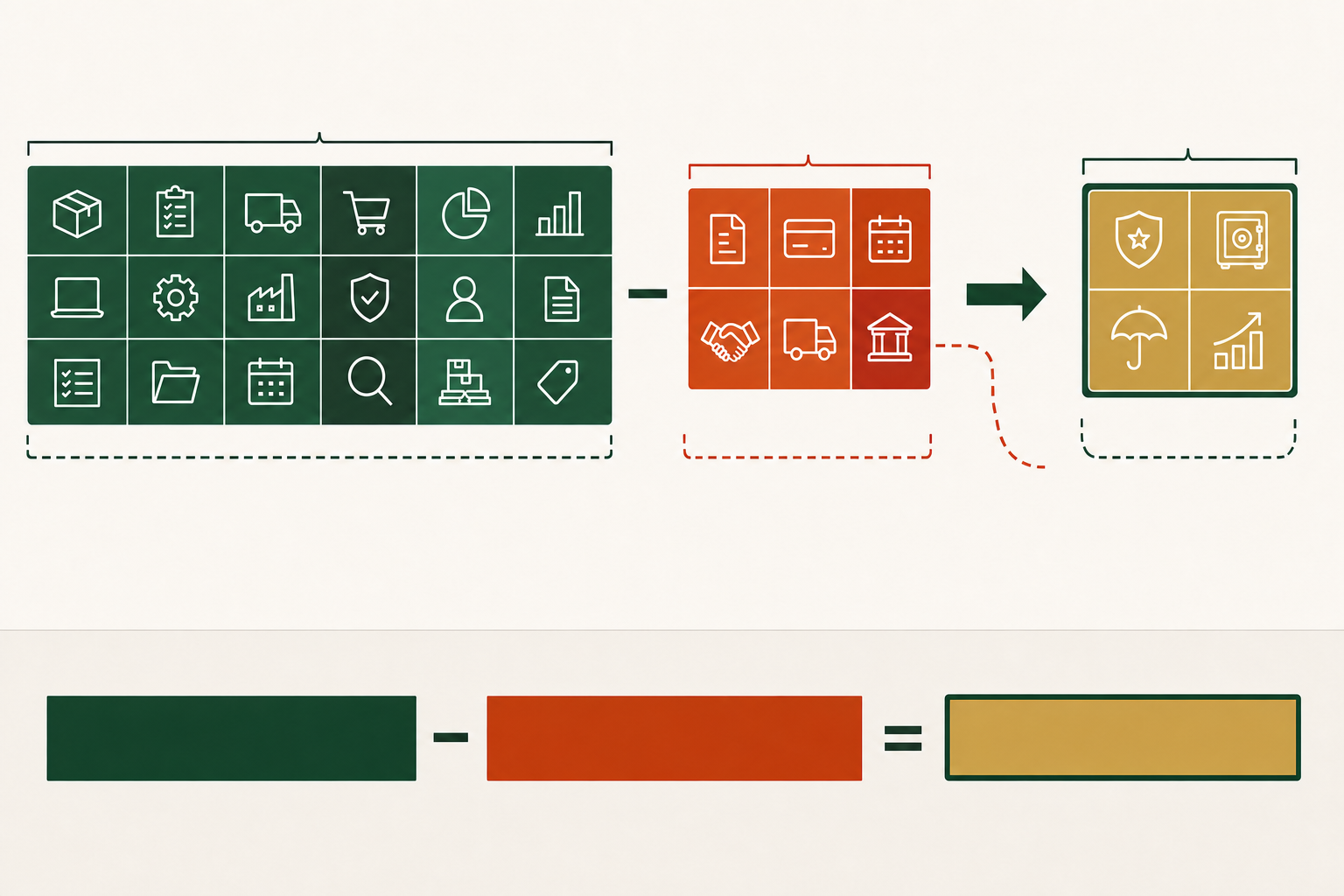
For help with journal entries, begin with account classification and the debit and credit lessons. For period-end work, choose adjustments, statement preparation, or closing. The later lessons cover cash-flow preparation and liquidity, the ability to meet payments as they come due.
Use the lesson list below to find a topic. Your course page identifies assigned work; this module groups related explanations and exercises. A link to an earlier topic offers review when you need it, not an extra assignment.
Check more than equal totals
Equal debit and credit totals establish a numerical relationship, not the accuracy of every account. An omitted transaction can leave both totals equal. So can recording the correct amount in the wrong account. Check the evidence, the reporting period, and the account choice as well as the arithmetic.
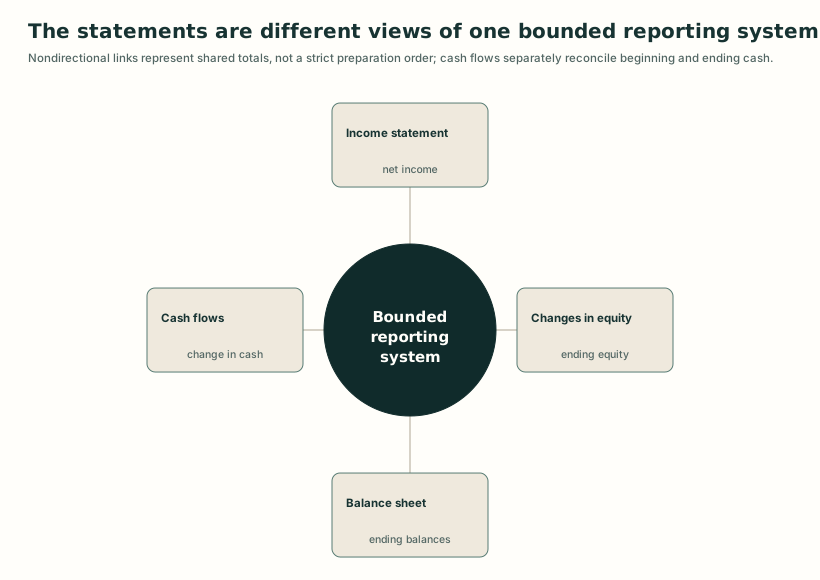
The statement lessons extend that check: net income and ending equity must agree wherever the reports share them. Agreement helps locate an inconsistency, but a missing adjustment can affect several reports in a way that preserves their agreement.
Module outcomes
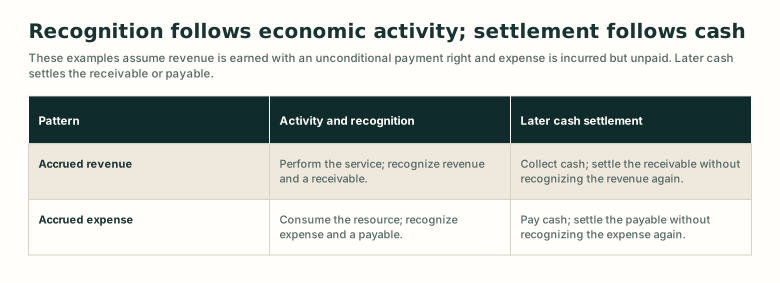
Explain how a transaction changes assets, liabilities, equity, revenue, or expenses, and distinguish those changes from cash receipts and payments.
Record transactions, prepare connected financial statements, and explain what the resulting balances do and do not establish.
Learning sequence
Follow the dependency order, or open the lesson you need.
- Lesson 1Before the entry: event, element, and account
- Lesson 2Why the accounting equation always balances
- Lesson 3Why equity changed
- Lesson 4Which date belongs in the journal?
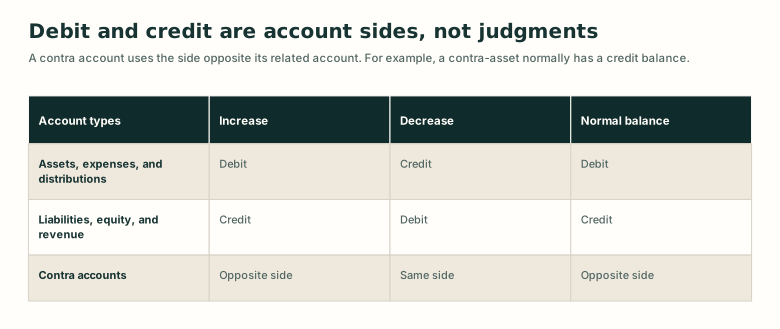
- Lesson 5How debits and credits change account balances
- Lesson 6How to build a journal entry
- Lesson 7How an entry reaches the trial balance
- Lesson 8Why an equal trial balance still needs adjustments
- Lesson 9Cash first: prepayments and customer advances
- Lesson 10Straight-line depreciation refresher
- Lesson 11Close the period without deleting its history
- Lesson 12Trace net income into ending equity
- Lesson 13Find why a set of statements does not agree
- Lesson 14Classify the cash, then prepare the statement
- Lesson 15Reconcile the cash—and challenge the classification
- Lesson 16Current and noncurrent classification
- Lesson 17Calculate the liquidity screens—and then challenge them
- Lesson 18Derive operating cash adjustments from account rollforwards
- Lesson 19Reconcile net income to operating cash flow
- Lesson 20Audit the accounting cycle and correct recording errors
- Lesson 21Convert cash activity and verify adjusted balances
- Lesson 22Verify Income Summary and post-closing balances